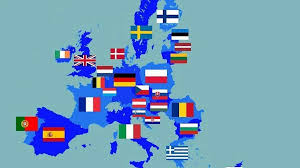
The international procurement landscape is changing as countries and economies respond more proactively to protectionism in their counterparts’ markets by adopting domestic preferences and reciprocal measures. Trading partners that have long criticized the use of ‘buy local’ policies, especially by the United States and China, are reversing course as they adopt—or prepare to adopt—their own preferences. They are also closing their procurement to countries that do not offer reciprocal access to their own suppliers.
The European Union (EU) has long made reciprocal access to public procurement a key element of its trade policy while it maintained a largely open procurement market. It is now rethinking that openness and taking action to deny access to its procurement when another country, such as China, refuses to offer equivalent opportunities for EU suppliers. EU courts have also restricted access to EU procurement on the basis of reciprocity. The European Commission is preparing ‘made in EU’ preferences in strategic areas. It is also targeting foreign subsidies that give participants in EU procurement an unfair advantage.
The changing landscape is examined in this excerpt from an ongoing study: Changing International Procurement Landscape: European Union.
Jean Heilman Grier
June 3, 2026